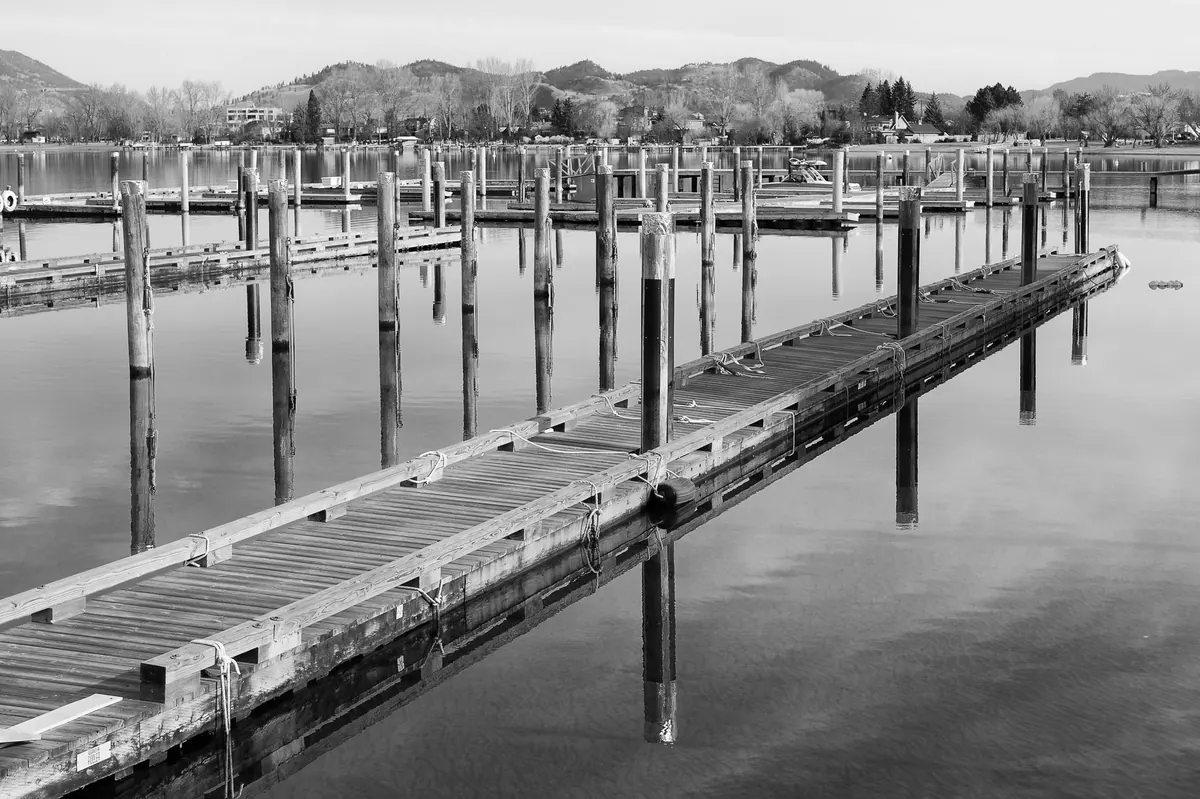
The first hard freeze rarely announces itself. You get a mild afternoon, then a night in the low twenties, and by morning the bilge hose is a stiff curve of ice. Water expands when it freezes, and that pressure is enough to crack a block, split a livewell line, or push a fitting apart behind a panel you cannot reach without pulling up the floor. Winterizing is not one job. It is a short list of jobs, done in the right order, before the temperature drops and stays there. A small outboard boat takes an afternoon. Anything with an inboard, a head, and freshwater plumbing is closer to a weekend.
Start With the Engine While It Still Runs
Do the engine work first, while you can still run it and while the fuel system is fresh. Everything else can wait for a colder afternoon.
Outboards and jet drives
Flush the powerhead with fresh water using muffs or a flush port. Let it run long enough to reach normal operating temperature, then shut it down. While it is idling for that last minute, spray fogging oil into the intake until the exhaust smokes and the engine stumbles; then shut it off. Pull the spark plugs, give each cylinder a short spray, turn the engine over briefly with the plugs out, and reinstall them. Change the lower unit gear lube now, not in spring. Drain it into a clean pan and look closely: milky lube means a failed seal, and metal paste means a problem worth fixing before next season. Refill from the bottom hole until it runs out the top, and use new gaskets on the plugs. Four-strokes should also get an oil and filter change before storage.
Inboards and sterndrives
Raw-water-cooled engines must be drained completely: block, manifolds, risers, hoses, seawater pump, transmission cooler, power steering cooler, and any low spots in the plumbing. Open every drain and poke it with a stiff wire to clear rust flakes that can block the flow. Then either leave the drains open for the winter or fill the system with non-toxic antifreeze. Closed-cooling systems are different: test the coolant's freeze protection with a hydrometer and top up as needed. Sterndrives need the gear lube changed, bellows checked, and grease fittings serviced. Store the drive trimmed down.
Fuel: Stabilize, Fill, and Run It Through
Add stabilizer at the tank, not in the filter, and use enough to treat the full tank. Top off with fresh fuel. A full tank leaves less air space for condensation, which matters in a climate that swings between freezing nights and warm days. Run the engine for ten or fifteen minutes so treated fuel reaches the carburetor or injectors and the whole line.
Change the water-separating fuel filter now rather than in spring. If you find water or debris in the bowl, check the tank and fittings before layup. Carbureted engines are a judgment call: some owners drain the bowls, others leave them full of treated fuel to keep gaskets from drying out. Follow your manual. Store portable tanks full, capped, and out of the sun.
Battery Care Is Where Cheap Winterizing Fails
A battery left in the boat and left discharged is the most common winter casualty. A discharged battery can freeze and crack; a charged one handles cold much better. Remove both cables, negative first, and label them with tape so spring is easier. Clean the terminals and posts with a baking soda paste, rinse, dry, and coat with dielectric grease.
- Charge the battery fully before storage.
- Store it in a cool, dry place above freezing.
- Use a smart maintainer, or recharge every four to six weeks.
- Check flooded-cell water levels and top off with distilled water.
- Keep it off a damp floor and away from anything metal that could bridge the posts.
Do not leave a battery on a cheap trickle charger that never shuts off. Boiling a battery dry over four months is worse than storing it charged and checking it twice.
Wrap It, Cover It, and Let It Breathe
Shrink wrap works when it is installed correctly. Build a frame — a ridge pole and straps — so the wrap sheds snow and rain instead of forming a sagging pocket. Put vents at both ends for airflow, and add a zipper door if you plan to check on the boat over the winter. The wrap should be tight enough not to flap in the wind but not so tight that it pulls on cleats, antennas, or rails. Pad sharp corners with tape or foam.
If you use a tarp instead, keep it from touching the gelcoat where water will sit. A tarp that traps moisture can leave mildew and stains that take a weekend to remove. Whatever the cover, take out the things that hold damp: cushions, PFDs, towels, canvas, and electronics. Leave locker doors and drawers open so air can move. A moisture absorber helps, but ventilation does more.
Freeze-Proof the Systems You Forget
Freshwater systems are easy to overlook because they sit empty most of the season. Drain the tank, water heater, and lines. Bypass the heater if it has one and drain it separately. Then run non-toxic propylene glycol antifreeze through the freshwater lines, faucets, and toilet. Never put automotive antifreeze in a potable water system.
Pour antifreeze into sinks, shower drains, and the head, and work the pump so traps and lines fill. Livewells, washdown pumps, bait tanks, air conditioners, and bilge pumps need attention too — any hose that holds water can split. Close seacocks or cap through-hulls. Tilt the outboard down so water drains, and lower the sterndrive. On a trailer, grease the wheel bearings, check tire pressure, and take weight off the jack if you store it long-term. Jack stands or blocks under the frame help.
The Final Walk-Around
Before you walk away, spend twenty minutes on the small things that cause the biggest spring headaches.
- Disconnect the battery and leave the terminals labeled.
- Confirm every drain plug is out and stored in a zip bag inside the boat.
- Check that vents are open and the cover is not holding water.
- Write down what you did, the date, and what needs doing in spring. Tape it inside a locker.
- Take photos of the cover, the jack stands, and the drive height.
Then leave it alone. A properly winterized boat does not need monthly visits, just a glance after a heavy snow to knock off any pockets that could pull the cover loose. Come spring, the work you did in the fall turns launch day into a few hours instead of a few weekends. If your boat has systems you are unsure about — a generator, a diesel, a complex freshwater setup — pay a yard to handle those and do the rest yourself. Check your owner's manual, since procedures vary by engine and hull, and keep your winterizing notes with the registration and insurance papers.
Photo: akirEVarga / Pixabay